Source engineering plastic rod for gears, bearings, and bushings
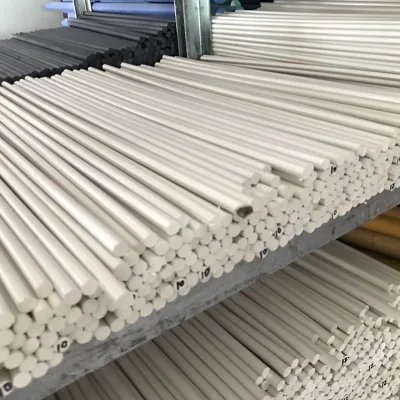
Explore 30 verified listings for engineering plastic rod suitable for industrial components like gears, bearings, and bushings. Buyers can compare specifications including diameter, material type, and customization options from multiple suppliers.
Key considerations
Products List





Comprehensive Sourcing Guide
Strategic Sourcing Guide for Engineering Plastic Rods
Navigating the global market for engineering plastic rods requires a disciplined approach that balances technical performance with supply chain reliability. Buyers often encounter a fragmented landscape where product attributes vary significantly between listings, even for items sharing a common core keyword. This guide synthesizes observed market data and established procurement principles to help buyers evaluate engineering plastic rods effectively. The focus remains on verifying specifications, understanding cost drivers, and ensuring quality consistency without relying on unverified claims or speculative market data.
Understanding Material Varieties and Technical Specifications
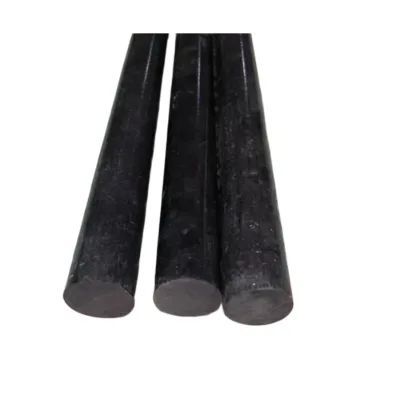
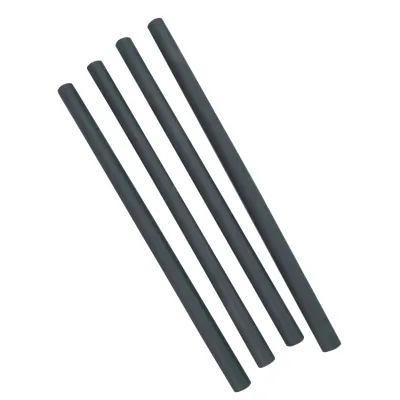
The first step in sourcing is identifying the specific polymer type, as the term "engineering plastic rod" encompasses a wide range of materials with distinct properties. Based on available market data, common materials include Nylon (PA), Polyvinyl Chloride (PVC), High-Density Polyethylene (HDPE), Ultra-High Molecular Weight Polyethylene (UHMWPE), and Polyurethane (PU). Each material offers a unique balance of mechanical strength, chemical resistance, and thermal stability.
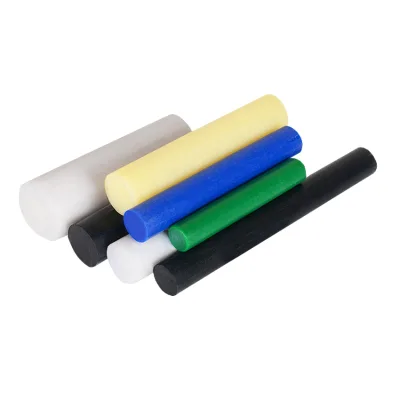
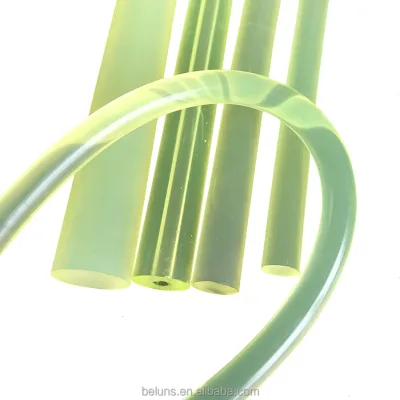
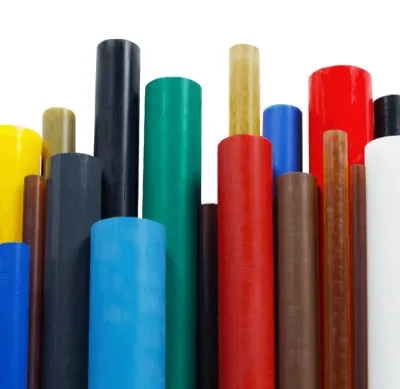
Nylon rods, for instance, are frequently characterized by a density of approximately 1.2 g/cm³ and are available in various colors such as black, blue, green, red, yellow, and white. These rods typically undergo molding and cutting processes and are often supplied in lengths of 1000mm or custom dimensions. In contrast, rigid PVC rods may exhibit a higher density around 1.5 g/cm³ and are often described as extruded with a smooth surface finish. Polyethylene rods, including HDPE and UHMWPE variants, are noted for their durability and are often packaged in wooden cases. Polyurethane rods stand out with a broad hardness range, potentially spanning from 15 to 98 Shore A, and may be available in transparent yellow.
When evaluating technical specifications, buyers must scrutinize the diameter and length ranges. Market observations indicate that rod diameters can range from 5mm up to 350mm, with specific listings showing narrower bands such as 5mm to 100mm or 10mm to 200mm. Lengths are commonly standardized at 1000mm or 2000mm, though custom lengths are frequently accepted. Tolerance levels are another critical specification; some suppliers list tolerances between 0.5mm and 3mm, which is vital for applications requiring precise fits. Buyers should verify these dimensions against their engineering drawings, as the "observed" ranges in listings do not guarantee that every supplier offers the full spectrum of sizes.
Compliance Verification and Certification Checks
In the industrial sector, compliance with international standards is often a prerequisite for procurement, yet buyers must exercise caution regarding how these standards are presented. While background knowledge suggests that reputable manufacturers often adhere to ISO 9001 for quality management, ISO 14001 for environmental management, and ISO 45001 for occupational health and safety, these certifications are not explicitly confirmed in the provided product data. Therefore, buyers should treat the mention of such standards as a potential attribute rather than a guaranteed fact for every listed product.
When requesting quotes, procurement teams should explicitly ask for current certification documents. A supplier claiming to meet ISO standards should provide a valid certificate number and the issuing body's details. It is equally important to verify if the material itself meets specific industry standards, such as FDA compliance for food contact or UL ratings for electrical applications, depending on the intended use. The absence of a specific certification claim in a product listing should not be interpreted as a lack of quality; rather, it indicates that the buyer must initiate the verification process. Relying solely on the "High-quality" attribute listed in some descriptions is insufficient for critical applications.
Cost Drivers and Pricing Dynamics
The pricing of engineering plastic rods is influenced by a complex interplay of factors, including raw material costs, processing complexity, order volume, and packaging requirements. The observed price range in the market is extensive, spanning from approximately $0.80 to $6,500. This vast disparity is not indicative of a single product's value but reflects the diversity of materials, dimensions, and order quantities. A small-diameter nylon rod purchased in a single piece will naturally cost significantly less than a large-diameter UHMWPE rod ordered in bulk.
Order Volume is a primary cost driver. Market data shows Minimum Order Quantities (MOQs) ranging from a single piece (1 pc) to 500 units, with some listings specifying an MOQ of 50KG. Buyers with low-volume needs can often source single items, but the unit price will be higher. Conversely, bulk orders typically unlock volume discounts, though the specific discount structure varies by supplier. Packaging also impacts cost; while some items are packed in simple wooden boxes, others require heavy-duty wooden cases, which adds to the overall unit cost. Additionally, custom processing services like molding or specific cutting requirements can increase the price beyond the base material cost. Buyers should request a detailed breakdown of costs to understand the proportion of material, processing, and logistics fees.
Typical Applications and Performance Requirements
Selecting the right rod depends heavily on the application environment. Nylon rods are widely used in machinery components, gears, and bushings due to their self-lubricating properties and wear resistance. The ability to withstand a printing temperature of 240°C suggests suitability for certain thermal processing environments, though this specific attribute should be verified for the intended application. PVC rods, known for their rigidity and chemical resistance, are often employed in construction, fluid handling, and electrical insulation. The extruded nature of PVC rods contributes to their dimensional stability in static applications.
Polyethylene rods, particularly UHMWPE, are favored for their high impact strength and low coefficient of friction, making them ideal for wear strips, conveyor guides, and marine applications. The broad hardness range of polyurethane rods allows for versatile use in rollers, wheels, and seals where shock absorption is critical. When matching a rod to an application, buyers must consider not just the material type but also the operating conditions. For example, a rod used in a high-temperature environment must be verified for its thermal stability, while a rod in a corrosive chemical environment requires specific chemical resistance data. The "High-quality" label is a general indicator but does not substitute for performance data relevant to the specific stress, temperature, and chemical exposure of the application.
Supplier Evaluation and Sourcing Strategy
Evaluating suppliers requires a multi-faceted approach that goes beyond the information provided in a product listing. The geographic origin of the product is a key data point; listings indicate origins in Liaoning and Jiangxi, China. While these regions are known for manufacturing, buyers should verify the specific factory capabilities rather than relying on the province alone. A robust supplier evaluation should include a review of their processing services. The ability to perform both molding and cutting, or just cutting, indicates the level of customization available.
Buyers should assess the supplier's responsiveness to customization requests. Many listings indicate that OEM sizes are accepted, and some specify that samples are available. This flexibility is crucial for prototyping and small-batch production. However, the availability of samples does not guarantee that the final production run will match the sample quality. A thorough evaluation involves requesting a sample for independent testing before committing to a larger order. Additionally, the consistency of the product description is a signal of supplier professionalism. Discrepancies in attributes, such as conflicting MOQs or density values across different listings from the same supplier, should be flagged for clarification.
Quality Control and Inspection Protocols
Implementing a rigorous quality control (QC) protocol is essential to mitigate the risks associated with sourcing engineering plastics. Since product attributes are observations rather than universal claims, buyers must define their own acceptance criteria. Key inspection points should include dimensional accuracy, specifically checking the diameter and length against the specified tolerances, which can range from 0.5mm to 3mm. Visual inspection for surface defects, such as roughness or discoloration, is also necessary, especially for rods with a "smooth" surface requirement.
Material verification is another critical step. Buyers should request material test reports (MTRs) that confirm the density, hardness, and chemical composition. For instance, if a specification lists a density of 1.2 g/cm³, a simple density test can verify if the material matches the claim. Color consistency is also important, as rods are available in multiple colors including black, blue, green, red, yellow, and white. Inconsistent coloring can indicate the use of recycled materials or poor mixing processes. For high-volume orders, implementing a third-party inspection service during production or before shipment can provide an additional layer of assurance.
Long-Term Procurement and Supply Chain Resilience
Building a sustainable procurement relationship involves looking beyond the immediate transaction. Buyers should consider the supplier's capacity for long-term support, including their ability to maintain consistent quality over time and their responsiveness to design changes. The "Single item" selling unit suggests that some suppliers cater to one-off needs, but for ongoing projects, a supplier with a stable production line is preferable.
Lead times and logistics should be factored into the procurement strategy. While specific lead times are not provided in the data, the variability in packaging (wooden box vs. wooden case) and the potential for custom processing implies that lead times may vary significantly. Buyers should establish clear communication channels to monitor production status and anticipate potential delays. Furthermore, diversifying the supplier base can reduce risk. Relying on a single source for critical components like engineering plastic rods can expose the buyer to supply chain disruptions. By maintaining relationships with multiple suppliers who offer similar specifications but perhaps different material grades or processing capabilities, buyers can ensure continuity of operations.
In conclusion, sourcing engineering plastic rods demands a meticulous approach that combines technical verification with strategic supplier management. By focusing on specific material properties, verifying certifications, understanding cost structures, and implementing robust quality controls, buyers can navigate the complexities of the market effectively. The goal is to secure a supply chain that delivers consistent performance, meets technical requirements, and supports long-term operational stability.
FAQs
What materials are available for engineering plastic rods?
Available materials include Nylon, PVC, HDPE, UHMWPE, and PU. Buyers can select from these based on specific mechanical needs, as Nylon offers a density of 1.2g/cm3 while PVC is denser at 1.5g/cm3.
How can I find rods with specific diameter sizes?
Rods are available in diameters ranging from 5mm to 350mm depending on the supplier. Some listings offer narrower bands like 5mm to 100mm or 10mm to 200mm, so verify the exact range required.
Which suppliers accept custom orders for dimensions?
Many manufacturers accept OEM sizes and custom lengths for their products. Buyers should confirm if the supplier offers molding and cutting services to meet specific project requirements beyond standard 1000mm lengths.
Can I order a single piece of engineering plastic rod?
Yes, some suppliers allow a minimum order quantity of just one piece. However, other listings may require a minimum of 50KG, so check the specific MOQ before placing a small order.
What packaging options are provided for these rods?
Packaging typically includes wooden boxes or heavy-duty wooden cases. The choice of packaging depends on the product type and order size, with some items listed as single package units.
How do I verify the quality of the plastic material?
Request material test reports to confirm density and hardness specifications. While some listings claim high quality, buyers should independently verify attributes like the 15-98 Shore A hardness range for Polyurethane rods.